
Our Members
The Old Vine Conference member community encompasses producers, distributors, generic bodies, and private individuals. Membership of The Old Vine Conference is an impactful way to safeguard global old vine heritage, and its priceless ecological and cultural value. In return, Members are able to showcase their wines and projects to our influential and uniquely engaged audience through exposure at conferences, inclusion in media, and at tastings and events.
Filter by region:
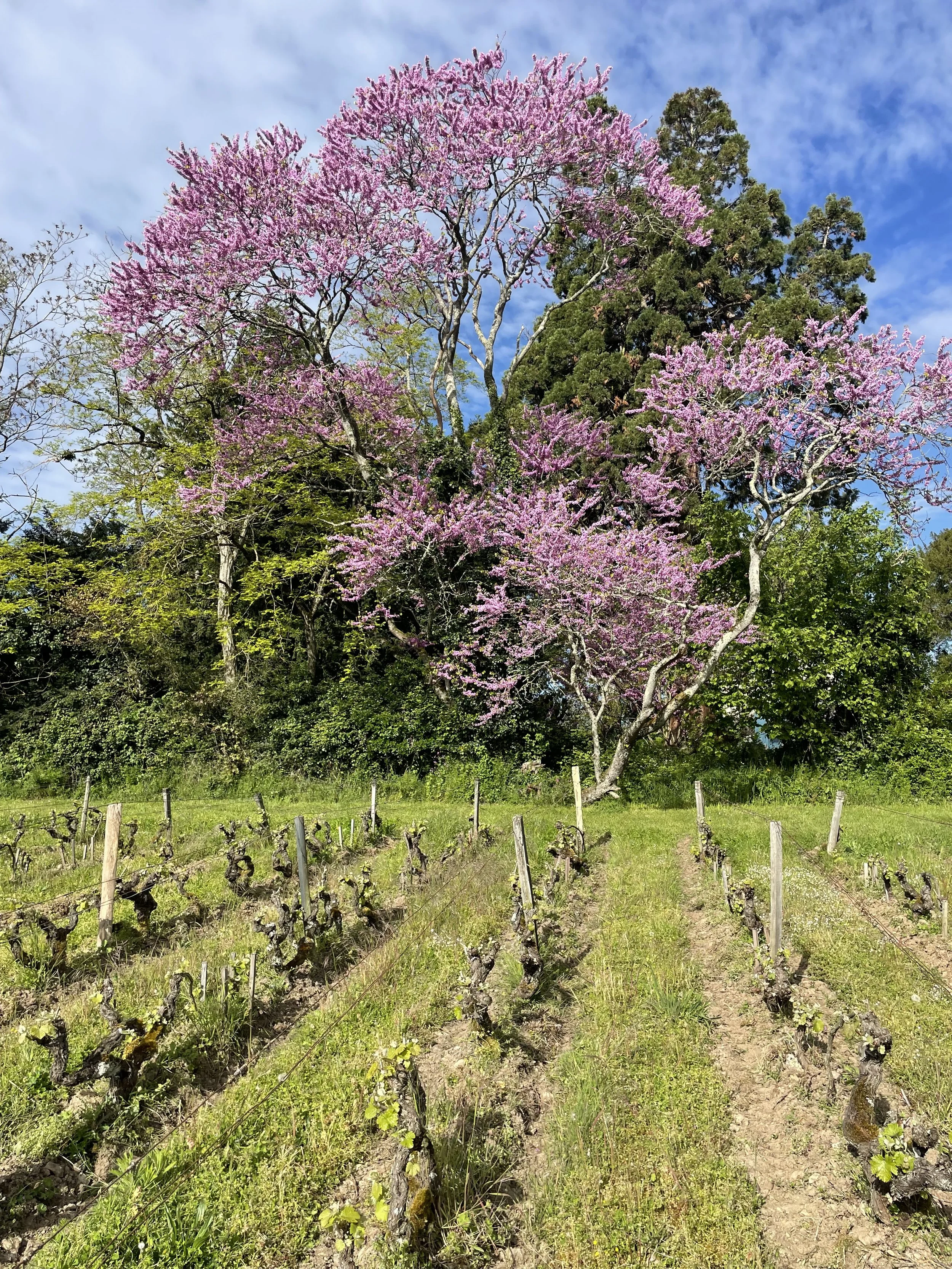
Le Clos de la Meslerie, Vouvray, Loire, France
Clos de la Meslerie is a small wine estate in the Vouvray appellation of the Loire Valley, around 15 kilometres from Tours. The property dates from the early seventeenth century, and vines have been cultivated there for hundreds of years. Today, the estate’s vines range from around 20 to 60 years old, rooted in a place whose long viticultural history has become central to owner and winemaker Peter Hahn’s approach.
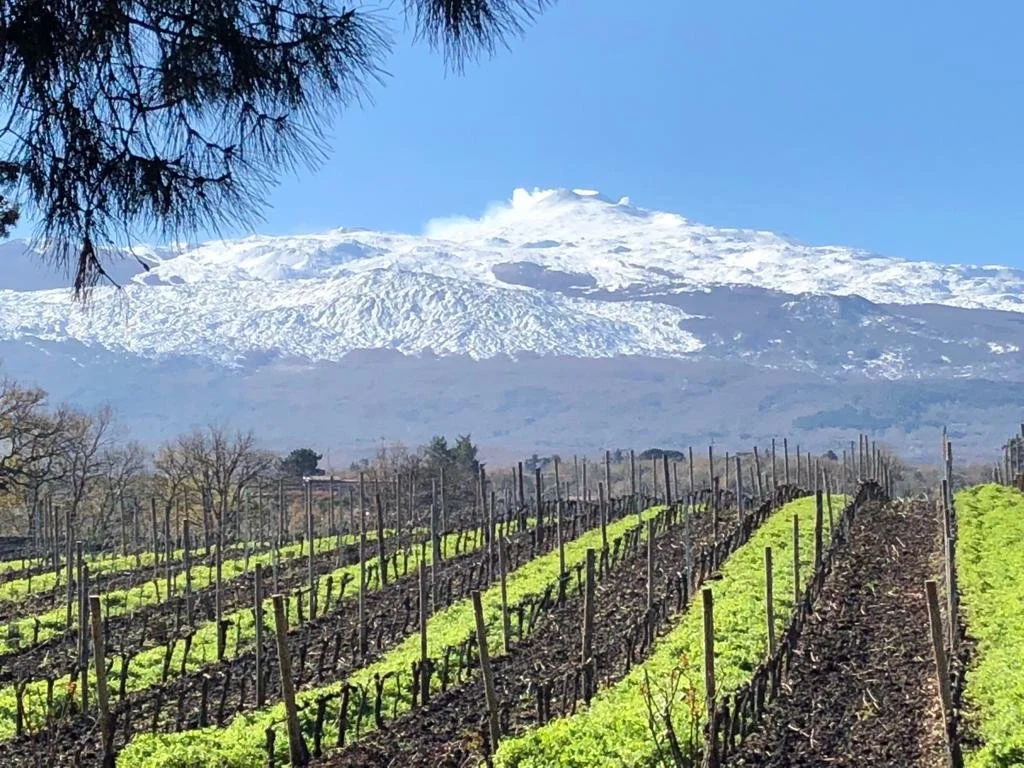
Al-Cantàra, SICILY, Italy
Perched on the dramatic northern slopes of Mount Etna, Al-Cantàra is a wine estate where volcanic energy, heritage, and artistic vision come together in striking harmony. Founded in 2005 by Pucci Giuffrida near Randazzo, the estate has become one of Etna’s passionate custodians of old-vine viticulture, preserving a precious fragment of the mountain’s agricultural memory while crafting wines that speak unmistakably of lava, altitude, and time.
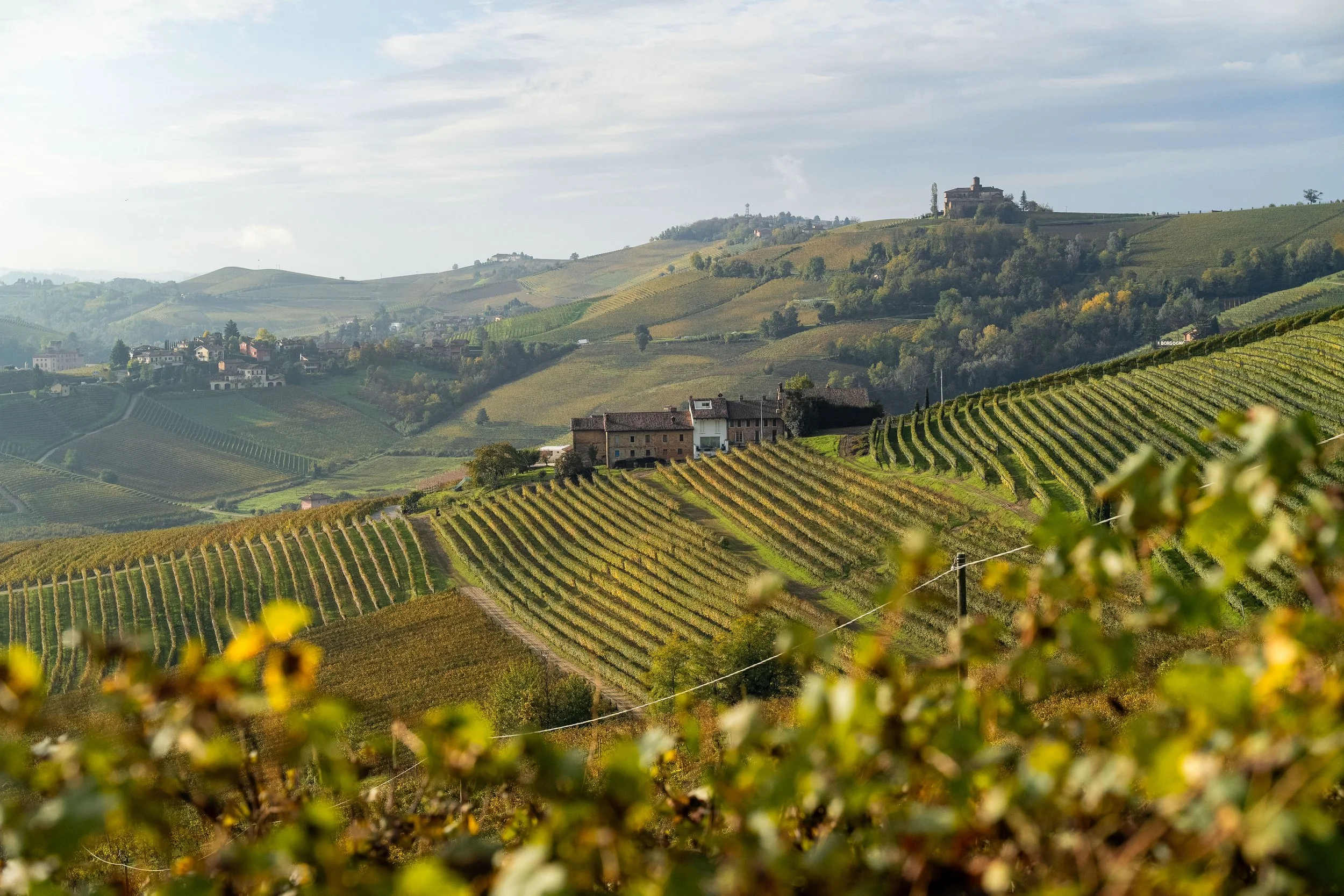
Poderi Marcarini, DOCG Barolo, Piedmont, Italy
For generations, Poderi Marcarini has been a custodian of some of the Langhe’s most historic vineyards. Located in La Morra, the family estate farms 25 hectares of vines, producing around 130,000 bottles annually from Nebbiolo, Dolcetto, Barbera, Arneis and Moscato. At the heart of the estate are five hectares of old vines, whose historical, genetic and cultural significance defines Marcarini’s identity.
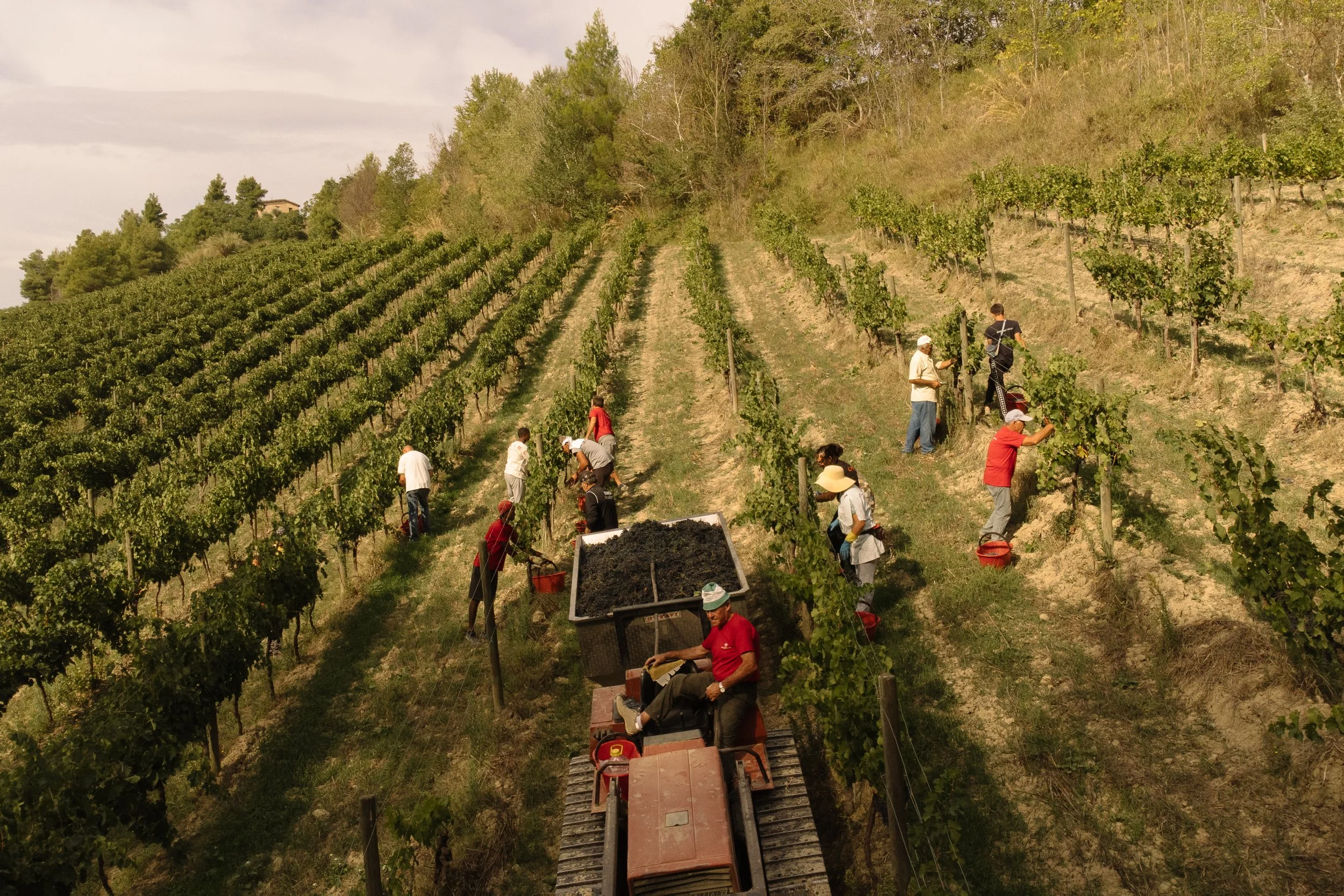
Tenuta Cocci Grifoni, Marche, Italy
At the heart of Cocci Grifoni are two historic vineyards that embody the estate’s philosophy: the Vigna Madre Pecorino and Vigna Messieri. More than old vineyards, they are living archives of Marche viticulture, shaped by decades of adaptation to the area’s soils, slopes, and climatic conditions.
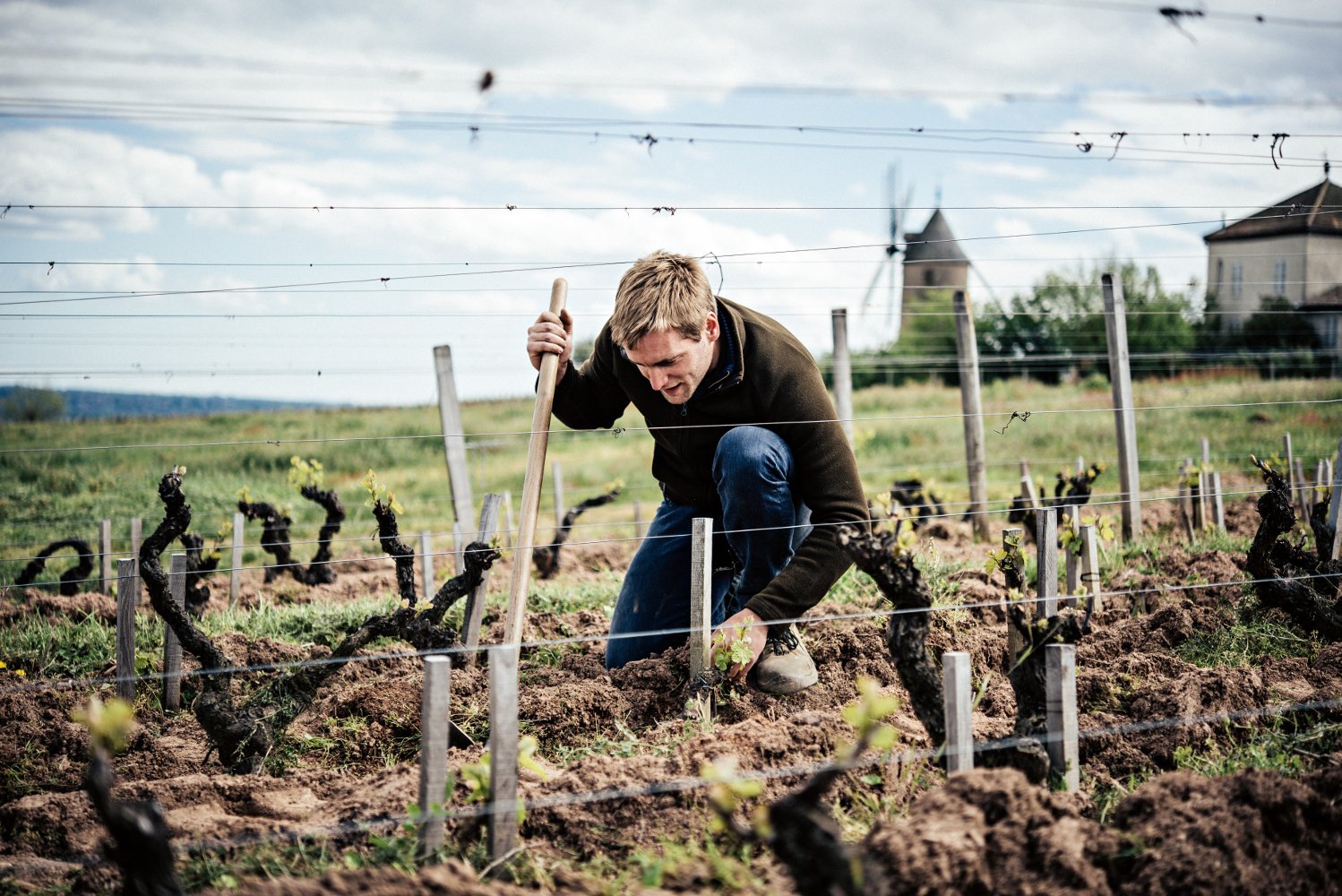
Château du Moulin-à-Vent, Beaujolais, France
Located at the heart of the prestigious Moulin-à-Vent appellation in northern Beaujolais,Château du Moulin-à-Vent has been rooted in this historic landscape since 1732. The estatetakes its name from the iconic windmill dating back to 1550 and farms 30 hectares ofvineyards surrounding the château and the hamlet of Les Thorins.
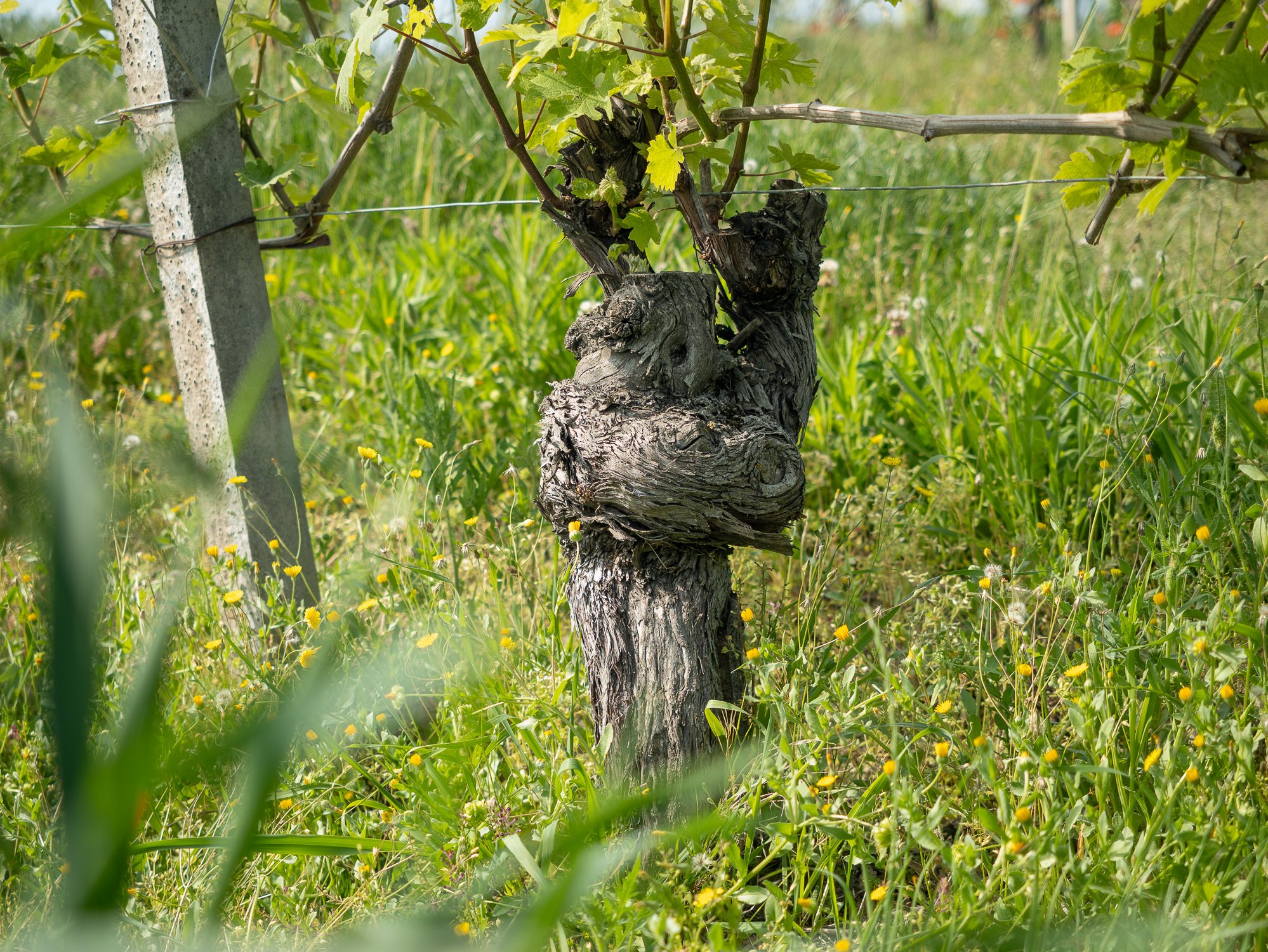
Castello Di Neive, Piedmont, Italy
At the centre of the historic Barbaresco zone, Castello di Neive represents one of the Langhe’s most important custodians of old-vine heritage with its identity is deeply rooted in the historic old vineyards of Santo Stefano and Basarin.
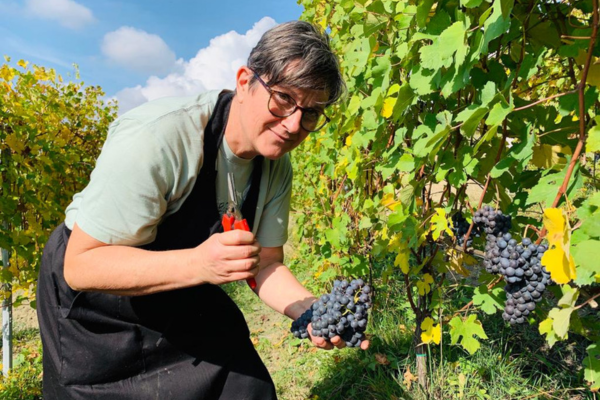
Anna Maria Abonna, Langhe, Italy
In the rolling hills of Dogliani, where Dolcetto has shaped both landscape and identity for generations, Anna Maria Abbona stands as a compelling example of how old vines can preserve not only a grape variety, but also the cultural memory of a territory.
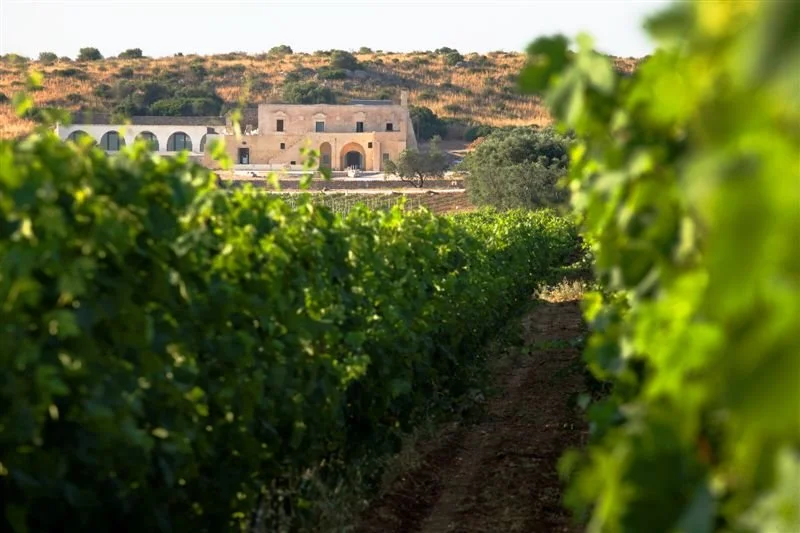
Masseria Le Fabriche, Puglia, Italy
Rising from the sun-baked landscapes of Puglia’s Ionian coast, Masseria Le Fabriche is a place where old vines, ancient olive trees, and centuries of rural heritage converge in a single, living landscape, centred around a restored 17th-century masseria.